
March 20, 2026 Newsletter
Spring Yard Safety: Prevent Fires Before They Start
As temperatures rise and residents begin their first round of mowing and trimming, it’s important to remember that yard equipment can pose a serious fire risk in dry conditions.
Mowing long, dry grasses with a metal blade mower is especially dangerous. Sparks can be generated when blades hit rocks or debris, and dry grass can easily ignite from friction or hot engine parts. Avoid using metal-blade mowers on tall, dry grasses.
Ideally, using a weed trimmer with nylon lines is the way to go.
However, know that even weed trimmers with nylon lines can start fires. Hitting hidden rocks, metal debris, or dry vegetation can produce sparks or hot fragments, and hot engine parts or exhaust can ignite dry grass. Fuel spills and thrown debris also increase the risk.
Lawn mowers, weed-eaters, chainsaws, grinders, welders, tractors and trimmers can all spark a wildland fire.
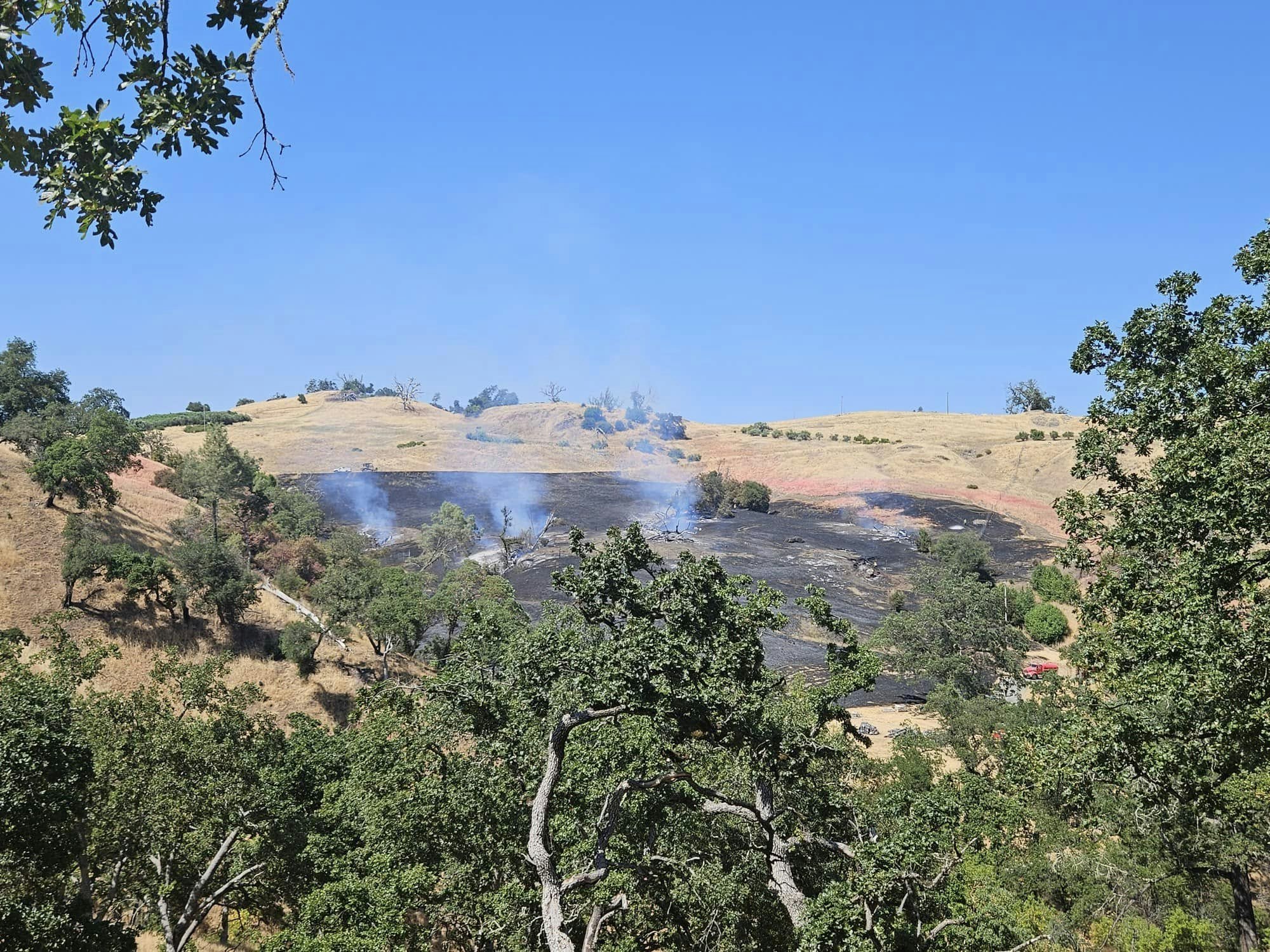
This isn’t just a theoretical concern, just a few of the recent incidents in Northern California show how quickly these situations can escalate:
- In Sonoma County (Pocket Fire, 2024), an 11-acre grass fire near Geyserville was sparked by a riding mower being used on tall, dry grass.
- The French Fire in Mariposa County (2024), which burned over 900 acres, was traced to a lawn mower in dried annual grass.
- In Lake County (Adams Fire, 2024) a wildfire started when someone was using a weed trimmer in dry grass and burned 16 acres.
To reduce the risk of fire:
- Mow and trim early in the day when humidity is higher. Grass should be wet to the touch.
- Clear rocks, sticks, and debris from the area and from under equipment.
- Keep equipment well-maintained and free of dry grass buildup.
- Have water or a fire extinguisher nearby.
Taking these precautions can prevent small sparks from turning into dangerous fires, protecting your home, your property, and your community.
Defensible Space Inspections: What We Look For
Throughout summer, our district conducts Defensible Space Inspections (DSIs) to help homeowners reduce wildfire risk around their homes. These inspections focus on vegetation and other conditions near structures that could allow fire to spread.
During an inspection, we commonly look for things such as dry grass or brush near buildings, tree branches overhanging roofs, and accumulations of leaves or pine needles on roofs and in gutters. We also check for vegetation clearance around propane tanks, safe access for emergency vehicles, and clearly visible address numbers so responders can quickly locate your property during an emergency. 60 to 90% of home ignitions that occur during a wildfire are from wind blown embers rather than direct flames. Creating defensible space is about identifying what embers could ignite, understanding how a fire could spread, and taking steps to minimize those risks.
A few simple steps can help improve your property’s safety:
- Keep the first 5 feet around your home clear of leaves, pine needles, and other combustible materials.
- Trim tree branches away from roofs and chimneys.
- Mow and maintain grass and remove dead vegetation.
- Clear roofs and gutters of debris.
- Maintain clear space around propane tanks and keep address numbers visible.
Maintaining defensible space is one of the most effective ways homeowners can protect their property from wildfire and help firefighters safely defend homes during an emergency.
Schedule Your Free Defensible Space Inspection
If your property is located within District boundaries, we will visit your property for a free defensible space inspection. This is your opportunity to learn how to prepare your property for wildfire. Visit our Defensible Space Inspections webpage to schedule your defensible space inspection.

Long Term Facility Improvement Plan
The Northern Sonoma County Fire Protection District Long Term Facility Improvement Plan (Plan) was developed in response to the growing needs of the District. The Plan is a written document describing District needs, recommended responses and plan options, opportunities and limitations. The Plan is intended to guide and inform Board decisions related to improving and adding District faciliities over the next 25 years. To view the draft Long Term Facility Improvement Plan, visit Facilities Planning.
For a complete list of District facilities, visit Facilities.
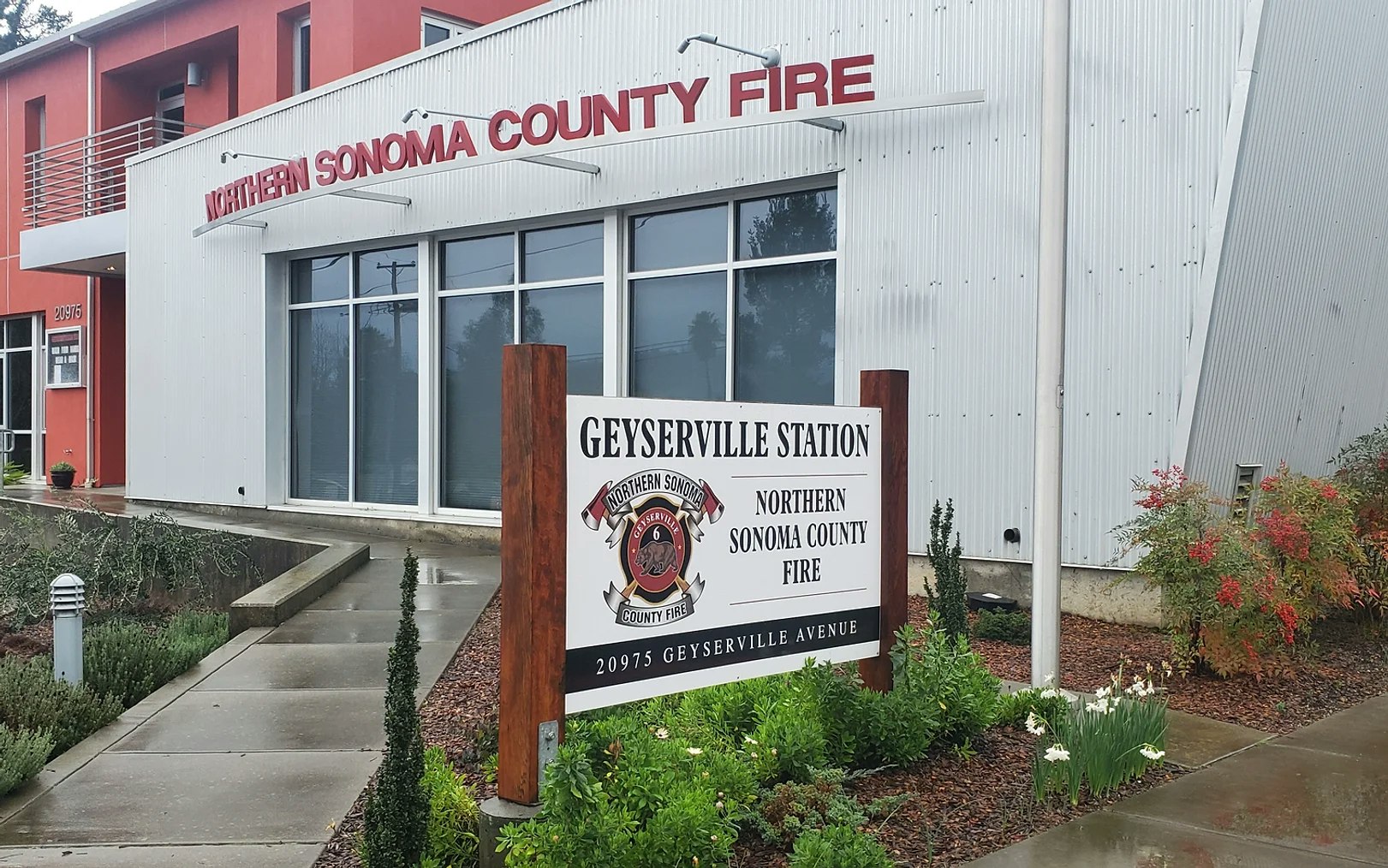
Geyserville Fire Station Modernization
Based on findings in the Plan, the Board has retained the services of Dreiling Terrones Architecture, Inc (DTA) for the modernization of Geyserville Fire Station. DTA will be providing regular updates at Board Meetings on program progress. Join us at a Board Meeting to learn more about the modernization of Geyserville Fire Station. All Board Meetings are open the public.
Upcoming Events
| EVENT | LOCATION | DATE |
|---|---|---|
| First Aid Class | Geyserville Fire Station | April 4 |
| April Board Meeting | Geyserville Fire Station | April 16 |
| Wildfire and Earthquake Expo | Sonoma County Fairgrounds | April 26 |
| CPR Class | Geyserville Fire Station | May 2 |
| May Board Meeting | Geyserville Fire Station | May 21 |
| FFA Twilight Parade | Downtown Healdsburg | May 21 |
| Bloodmobile | Geyserville Fire Station | May 29 |
| First Aid Class | Geyserville Fire Station | June 6 |
| June Board Meeting | Geyserville Fire Station | June 18 |
| CPR Class | Geyserville Fire Station | July 11 |
| July Board Meeting | Geyserville Fire Station | July 16 |
| Wine Country to the Rescue | Trentadue Winery | July 18 |